The short answer
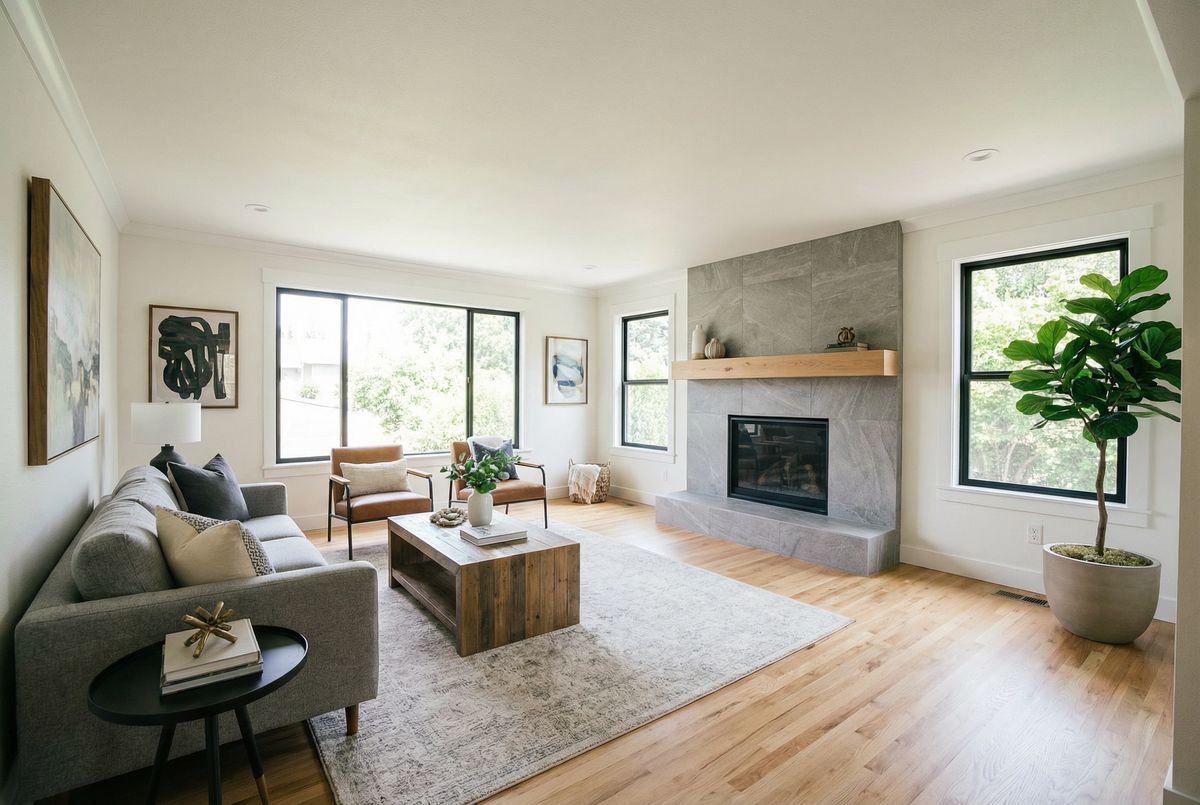
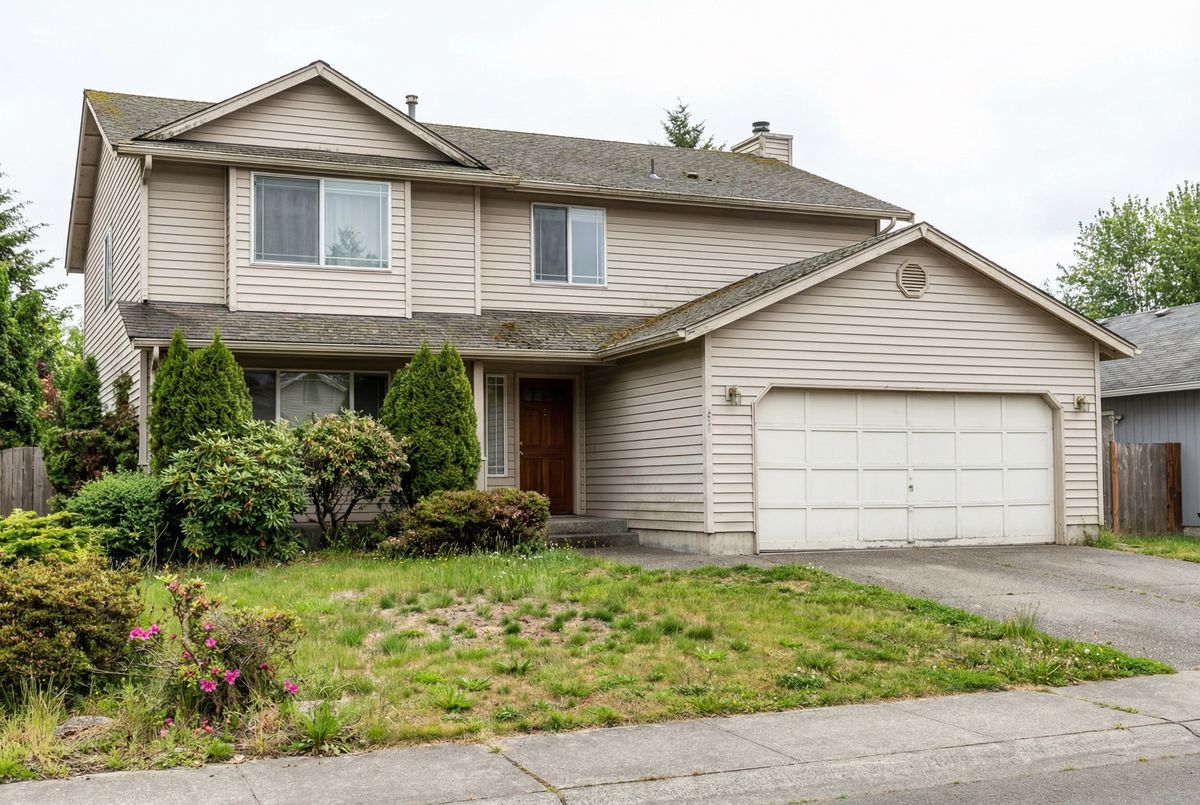
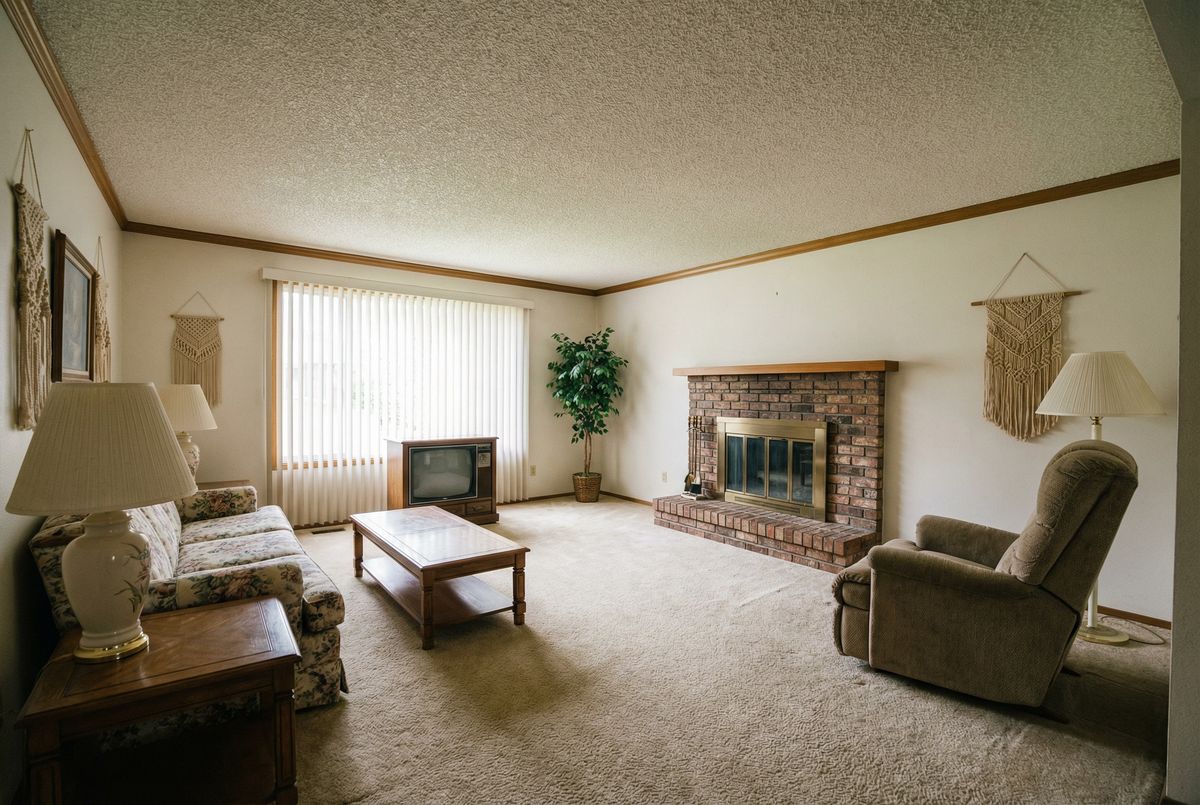
If your Seattle-area house is structurally sound but dated, and you have two to four weeks before listing photos, the highest-leverage work is paint, floors, lighting and hardware, done in that order. Zillow's 2025 buyer research gives you something better than a designer's opinion about color: dollar figures attached to specific shades, in specific rooms. It also shows that the wrong color costs more than the right color gains, which is the single most useful thing a seller can know before opening a can of paint.
What a cosmetic reset cannot do is fix a failed side sewer, a roof at the end of its life, or a kitchen whose layout stopped working in 1978. Paint on top of those problems is money spent to delay a conversation, not to win one.
What Zillow's paint research actually found
Zillow's behavioral science team surveyed 4,200 recent and prospective buyers, showing them interiors painted in one of ten colors and scoring each color on how much buyers liked the home, how interested they were in touring and buying, and the price they would be willing to offer. Zillow reports that nearly one third of homeowners paint before listing, and that darker shades of green, blue and gray outperformed white and lighter shades, which challenges the old advice to always go light and bright.
The gains were real but modest. A dark gray living room drew offers $2,593 higher, an olive green kitchen $1,597 higher and a navy blue bedroom $1,815 higher, and in bathrooms a mid-tone brown in line with the 2025 Pantone Color of the Year drew the highest offer prices.
The penalties were bigger. Buyers said they would pay $3,915 less for a daisy yellow kitchen, $3,891 less for a daisy yellow living room, $1,820 less for a fire hydrant red living room and $1,987 less for a fire hydrant red bedroom.
| Room | Color that helped | What buyers said they would pay |
|---|---|---|
| Kitchen | Muted, dark olive green | $1,597 more |
| Bedroom | Navy blue | $1,815 more |
| Living room | Dark gray | $2,593 more |
| Kitchen | Daisy yellow | $3,915 less |
| Living room | Daisy yellow | $3,891 less |
| Bedroom | Fire hydrant red | $1,987 less |
Two honest caveats. This is survey research on stated willingness to pay from photographs, not a record of what homes actually closed for, and it is national rather than Seattle-specific. Zillow's own advice is that homeowners should consult with a trusted local real estate agent for advice on what buyers are looking for in their particular neighborhood. Treat the numbers as evidence that color choice moves buyer perception by roughly the price of a used car, in both directions. Treat the direction of the penalty as the actionable part: if your kitchen is currently yellow or your bedroom is red, repainting is not a taste question.
The order that avoids rework
Sequence matters more than product selection, because doing these out of order means paying twice.
- Demo and repairs first. Popcorn ceiling removal, drywall patching, removing wallpaper, fixing the door that never latched. All of it creates dust and holes, so it precedes finishes.
- Ceilings, then walls, then trim. Painters work top down for a reason. If you are replacing interior doors or trim, do that before the trim coat.
- Lighting and electrical. Swapping fixtures, adding recessed cans, replacing yellowed switch plates and rewiring a dimmer all touch the ceiling and the walls. Doing it after paint means touch-ups.
- Flooring last among the big items. New LVP, carpet or refinished hardwood goes in after paint so drips and drops land on the old surface, not the new one. If you are refinishing existing hardwood, coordinate with the painter, because sanding dust and wet paint do not mix.
- Hardware, then cleaning, then staging. Cabinet pulls, faucets, door handles, house numbers. Then a deep clean, then whatever staging you are doing, then photos.
The exception is cabinet painting. Doors and drawer fronts should be sprayed off-site or in the garage early in the schedule, because the cure time is long and nothing else in the kitchen can finish until they are back on.
What a cosmetic scope includes, and what it does not
A true cosmetic reset is a finish-level project. It typically covers interior paint, ceiling repair, flooring replacement or refinishing, light fixtures and hardware, minor drywall and trim repair, exterior touch-up and door paint, and a landscaping cleanup. It sometimes covers cabinet refacing or painting and countertop replacement, which sit right at the edge.
It does not cover moving walls, replacing cabinet boxes, plumbing or electrical rough-in, windows, roofing, foundation work, or sewer line replacement. Those are renovation, not refresh. They require permits in most Washington jurisdictions, they involve inspections you do not control, and they do not fit in a four-week window before photos.
For what it is worth, agents agree on where the leverage is. In NAR's 2025 Remodeling Impact Report, the top projects Realtors recommend sellers complete before listing were painting the entire home at 50%, painting a single interior room at 41%, and installing new roofing at 37%.
Where cosmetic stops and renovation starts
Be honest with yourself about these signals. A refresh will not be enough if:
- The sewer scope comes back with a break, a belly or root intrusion. In Washington you will be filling out a seller disclosure statement, and a buyer's inspector will run a camera anyway.
- The roof, furnace or water heater is visibly at the end of its life. Buyers price those at replacement cost plus an anxiety premium, and paint does not touch the math.
- The kitchen has original cabinet boxes with failing hinges, a non-functional layout, or a countertop that cannot be replaced without replacing the cabinets.
- There is active moisture. Staining, soft baseboards or a crawl space with standing water is a repair, and painting over it is a disclosure problem.
- The floor plan itself is the objection. If every buyer comment is about the wall between the kitchen and living room, new carpet will not change their mind.
When several of those are true at once, you are choosing between a real renovation, a price that reflects the condition, or selling as-is. All three are legitimate. None of them is fixed by color.
Running a cosmetic scope on a fixed price when cash is tight
The awkward part of pre-sale work is that it lands before the money does. That is the whole reason FLYP's pay-at-closing renovation exists: we plan, fund and manage the work, and you repay out of the proceeds at closing. It works for a small cosmetic scope, not just a gut.
The terms, stated plainly. Nothing upfront and nothing during the work. What gets repaid at closing is the fixed contract price on the signed estimate, plus Washington sales tax, plus any change orders you signed, plus the county recording fee. No interest during the renovation and none for six months after the work is finished. After that, the balance accrues 1.5% per month, and paying it off early stops the interest. Ten months after completion, the balance is due directly whether or not the home has sold. The balance is secured by a deed of trust recorded against the property, signed in front of an independent notary before work starts and released within ten business days of payoff. The plain-language contract summary is at how the process works.
You can lose money on this. The market can move against you, a home can sell for less than projected, and interest can accrue if it sits. For context on the current market, NWMLS reported that April 2026 active listings across its service area rose 28.4% year over year to 18,563 while closed sales fell 3.7%, with the median sales price unchanged at $650,000 and King County highest at $859,000. More competition is exactly why presentation matters, and also why nobody should promise you a number.
If the scope is small enough to put on a credit card you can pay off, do that instead. If you would rather not renovate at all, we can help arrange a cash offer, with terms depending on the property.
A realistic timeline to photos
- Days 1 to 3: walk-through, scope decisions, color selections, fixed-price estimate.
- Days 4 to 7: paperwork, materials ordered, crew scheduled. Long-lead items like specialty flooring or fixtures are the usual delay, so pick from what is in stock locally.
- Week 2: repairs, ceilings, cabinet doors off and sprayed, interior paint.
- Week 3: lighting, flooring, hardware, punch list.
- Week 4: cleaning, staging, photos.
Four weeks is achievable for a finish-only scope on an empty or mostly empty house. An occupied house with pets, a work-from-home schedule and furniture to shuffle runs longer. Build in a buffer.
About the calendar
Zillow's Best Time to List analysis found that homes listed in the last two weeks of May sold for 1.7% more nationwide, about $6,000 on a typical U.S. home, and that timing can mean upwards of $20,000 of added value in Boston and Seattle. Those are averages across many past sales, not a forecast for your address.
If you are reading this in late May with work still to do, the useful conclusion is not to panic-list. Zillow's own framing is blunt: most sellers cannot time the market, because life events still drive when people move. A finished, well-photographed house in late June generally beats an unfinished one rushed to meet a national average.
Zillow also reports that buyers pay more for listings that look good online, with Showcase listings that include high-resolution images and 3D tours selling for 2% more than similar homes. The photos are the product. Do not shoot them early.
The bottom line
Paint, floors, lighting and hardware, in that order, is the most value you can add in two to four weeks, and the order is what keeps you from paying for the same surface twice. Use the color research for its direction more than its dollar figures: the penalty for a yellow kitchen is larger than the premium for a gray living room. Stop at the finish line, because a cosmetic reset cannot fix a sewer, a roof or a floor plan, and painting over active moisture becomes a disclosure problem. Then shoot the photos last.
If you want a fixed-price cosmetic scope priced and scheduled, start here, or read more about a conventional paid remodel if you would rather fund it yourself.