Updated September 2026 with FLYP's current project figures.
The short answer
A stale listing is failing for one of three reasons: the price is wrong, the exposure is wrong, or the condition is wrong. A price cut only fixes the first one. Diagnose which one you have before you recommend a reduction, because applying a cut to a condition problem just moves the seller's equity into the next buyer's renovation budget.
That distinction matters more in late July than at any other point in the calendar. Spring listings that did not sell are stacking up, sellers are asking for a plan, and there is still enough runway to complete work and come back to the post-Labor Day market instead of limping into the holidays.
The three-question diagnostic
Pull the showing log and the feedback before you pull comps again.
| What the data shows | Most likely problem | What actually fixes it |
|---|---|---|
| Steady showings, no offers, feedback about kitchens, baths, flooring, smell, or "needs too much work" | Condition | Scope and do the work, or price to the as-is buyer pool |
| Steady showings, no offers, feedback about price, taxes, or a specific comp | Price | A meaningful reduction, not a token one |
| Few or no showings at all | Exposure or pricing out of the search band | New photography, new copy, reposition into the band buyers are searching |
| Offers that arrive and die in inspection or appraisal | Condition, plus disclosure | Fix the inspection items, then relaunch with the reports in hand |
Be honest with yourself about the showing count. No showings is rarely a condition problem, because buyers never got close enough to react to the condition. That is a marketing and pricing-band problem, and it is the cheapest of the three to fix.
Then benchmark against the market rather than against your gut. The NWMLS monthly market snapshot gives you county-level inventory, sales and median prices, and the NWMLS report covering June 2026 was headlined around inventory continuing to expand as summer sales gained momentum. That same report counted 117,525 showings scheduled in June, down 9.3 percent from May and 4.9 percent from June 2025, against active listings up 16.4 percent year over year. More inventory and fewer showings is exactly the environment where a tired interior gets punished.
For a longer trend line on how fast homes are actually moving in the metro, the median days on market series for Seattle-Tacoma-Bellevue, published monthly from Realtor.com data, is worth checking before the listing appointment. Show the seller where their listing sits rather than assert it.
When the price is the problem, cut and cut properly
If the feedback is about price, or if the home shows well and the competing actives are simply better value, cut. And cut past the next search band, not one percent into it. A reduction that does not move the home into a new set of buyer searches does nothing except add another price-drop badge to the listing history.
A cut is also the right answer when:
- The seller has a hard deadline. A relocation, a rate-locked purchase, a closing they have already committed to.
- The seller has little equity. Renovation only works when there is equity behind it.
- The scope is structural. Foundation, roof structure, failed drainage, or a septic problem that cannot be resolved on a seller's timeline in one summer.
- The seller is emotionally finished. Some sellers need to be done, and a renovation they resent is a bad renovation.
Do not let a renovation conversation become a way to avoid a hard pricing conversation. If the home is simply overpriced, saying so is the service.
When condition is the problem, a cut just funds the buyer's remodel
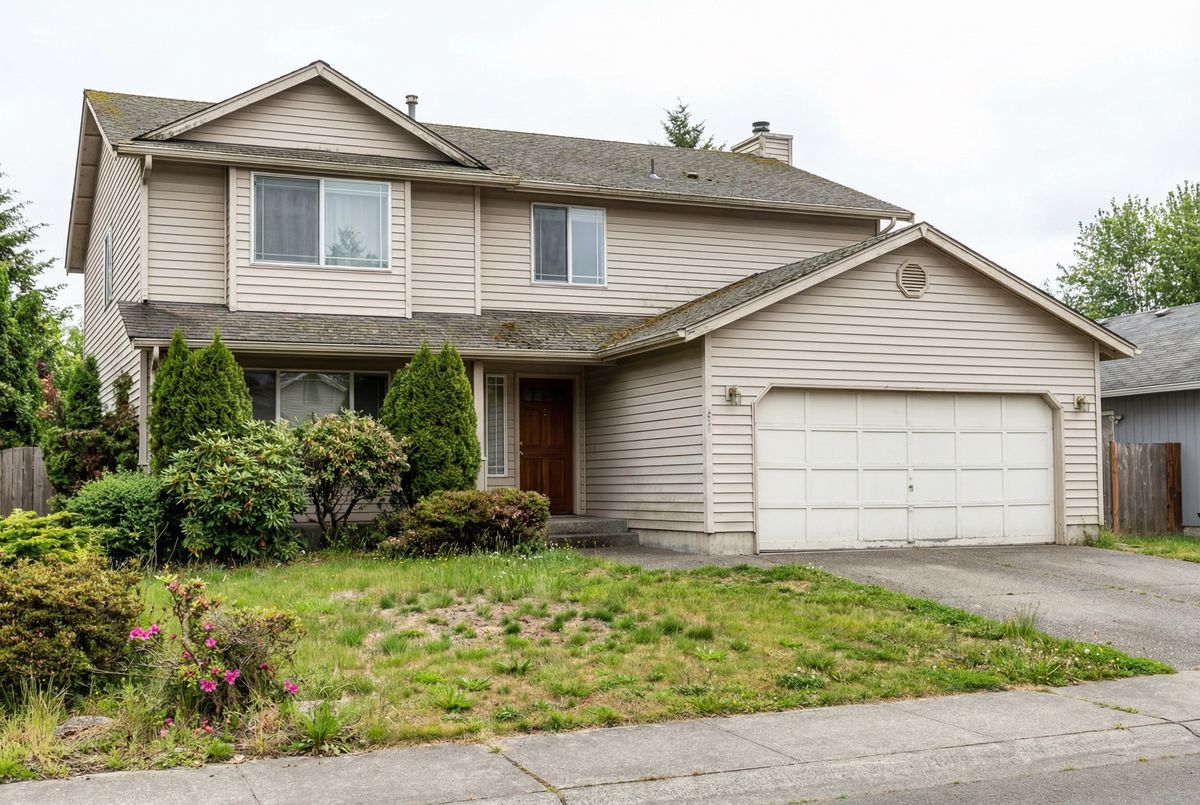
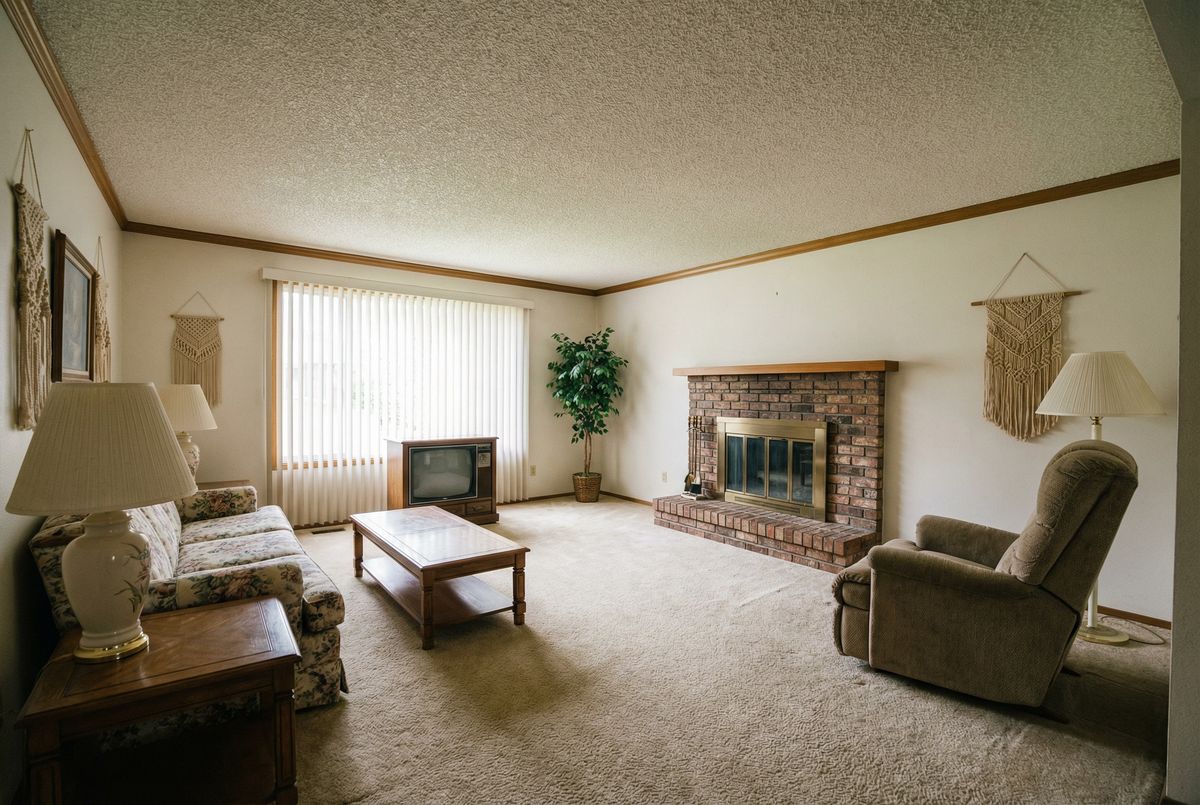
Here is the arithmetic that agents skip. When a buyer walks a dated home, they do not discount it by the cost of the work. They discount it by the cost of the work, plus the hassle, plus the risk that the work costs more than they think, plus their own margin for having to manage it.
So a small cut on a condition problem does two things at once. It lowers the seller's proceeds and it leaves the objection intact. The listing keeps showing, keeps getting the same feedback, and keeps aging. Six weeks later you are having the same meeting with less leverage.
Our own underwriting says the same thing, with the caveats that belong beside it. Across the 12 homes in FLYP's files that had both an as-is value and a projected after-renovation value, out of 16 homes underwritten as of September 2026, the projected lift over as-is value had a median of 27 percent and a range of 1 percent to 89 percent. Projected dollars added had a median of $190,000.
Read those as what they are. They are projections made during underwriting, not sale results, and no FLYP home has sold yet. Several of those files project almost no lift at all, and that low end is part of the truth. They are the reason the condition question deserves a real answer rather than a reflex reduction, not a reason to promise anything about one house.
Withdraw, renovate, relaunch: working backward from a fall relaunch
If the diagnosis is condition and the seller has equity, the path is to come off market, do a targeted scope, and return to a fresh audience. Build the calendar backward from the relaunch date rather than forward from today.
- Decide. Diagnosis, scope conversation, and a walkthrough with a licensed contractor.
- Scope and price the work. A fixed written estimate, with the specific items the feedback named, and nothing that does not change buyer behavior.
- Withdraw or cancel. Confirm with your broker and with NWMLS how days on market and cumulative days on market are treated for your situation before you promise the seller a clean slate. Do not assume it resets.
- Build. Only the contractor's schedule governs this step. Permits, if any, and material lead times are what make or break a fall return, so ask about both on day one.
- Restage, rephotograph, relaunch.
Scope discipline is the whole game. Paint, flooring, lighting, counters, cabinet work, curb appeal, and the inspection items buyers flagged. Not a floor plan change. Not a primary suite addition. The objective is to remove the objection your own showing feedback already identified.
Presenting the three paths side by side
Sellers do not resist renovation, they resist ambiguity. Put all three options on one page and let them choose.
| Cut the price | Withdraw and relaunch as-is | Renovate, then relaunch | |
|---|---|---|---|
| Speed to a contract | Fastest | Medium | Slowest |
| Cash needed from seller | None | None | Renovation cost, unless paid at closing |
| Fixes a condition objection | No | No | Yes, if scoped to the feedback |
| Main risk | Sells below what condition-corrected comps might support | Comes back with the same objection | Market moves, work takes longer, costs accrue |
| Best when | Price is genuinely the problem, or there is a deadline | Photos and positioning were the problem | Feedback is about condition and there is equity |
Let the seller see that you are not selling them a renovation. You are ruling two options out with evidence.
Where pay-at-closing fits, including the part nobody likes to say
Most stalled-listing sellers do not have a renovation budget sitting in cash in August. That is the practical reason condition problems turn into price cuts.
FLYP plans, funds, and manages a pre-sale renovation, and the homeowner pays from the sale proceeds at closing. The work is performed by Green State Restoration, LLC, a licensed and insured Washington general contractor, which is the contractor of record. We serve Washington State, centered on the Seattle and Puget Sound area. FLYP is not a brokerage and takes no commission or share of one, and no money passes between FLYP and real estate agents.
The terms, stated plainly because your seller will ask:
- $0 upfront, $0 during the work, no monthly payments. Repaid out of closing.
- What is repaid is the fixed contract price on the signed estimate, plus Washington sales tax, plus any change orders the homeowner signed, plus the county recording fee.
- No interest during the renovation and none for six months after the work is finished. After that, the balance accrues 1.5% per month. Paying it off early stops the interest.
- Ten months after the work is finished, the balance is due directly, whether or not the home has sold.
- The balance is secured by a deed of trust recorded against the property, signed before an independent notary before work starts, and released within ten business days of payoff.
- The price is fixed, every scope change is a signed change order before the work is done, and there is a one-year written workmanship warranty.
Now the part that belongs in your seller conversation and not in a footnote. A homeowner can lose money or equity doing this. The market can move, a home can sell for less than projected, and interest can accrue after the six-month window.
If the relaunch does not produce a closing, the ten-month deadline arrives anyway, and the seller resolves it with their own funds, a refinance they would need to qualify for on their own, or a sale on whatever terms the market offers at that time. Anyone weighing that should talk to a CPA and an attorney about their own situation.
FLYP also applies a coverage test before taking a project. Projected net proceeds, meaning the projected after-renovation value less selling costs and less the balance of every senior lien, divided by the maximum amount that could ever become payable to FLYP, has to be at least 1.30. It is an underwriting safety margin, not a return and not a promise about the sale. It screens out the thinnest-equity cases, and a screen is not a sure thing.
The plain-language contract summary is at /how-the-process-works, the service detail is at /pay-at-closing-remodel, and if your seller would rather be done than renovate, /sell-as-is and /vs-cash-buyers are the honest alternatives to walk them through.
Relaunch mechanics
Do not waste the second launch.
- New photography, always. Same-photo relaunches get recognized. New season, new light, new staging, new hero shot.
- New copy. Lead with what changed. Buyers who saw it in May are the same buyers shopping in September.
- Price to the new comps, not to the old list price minus the renovation cost. Rebuild the CMA against condition-corrected sales.
- Do not count on a seasonal tailwind. Zillow's analysis of 2025 sales found Seattle's best listing window was the first two weeks of April, worth 2.9% or about $22,600. A fall relaunch wins on condition, photography and price, not on the calendar.
- Hand buyers the paper. Permits where applicable, the signed scope, and the one-year workmanship warranty. Documented work answers the inspection objection before it is raised.
The bottom line
Diagnose first. Cut the price when price is the problem, fix the photos and the band when exposure is the problem, and scope real work when condition is the problem. If the listing you are thinking about has showings, condition feedback, and a seller with equity but no cash, that is the case worth scoping this week rather than in October.
Start at /get-started, or point the seller to /house-didnt-sell and let them read it themselves.